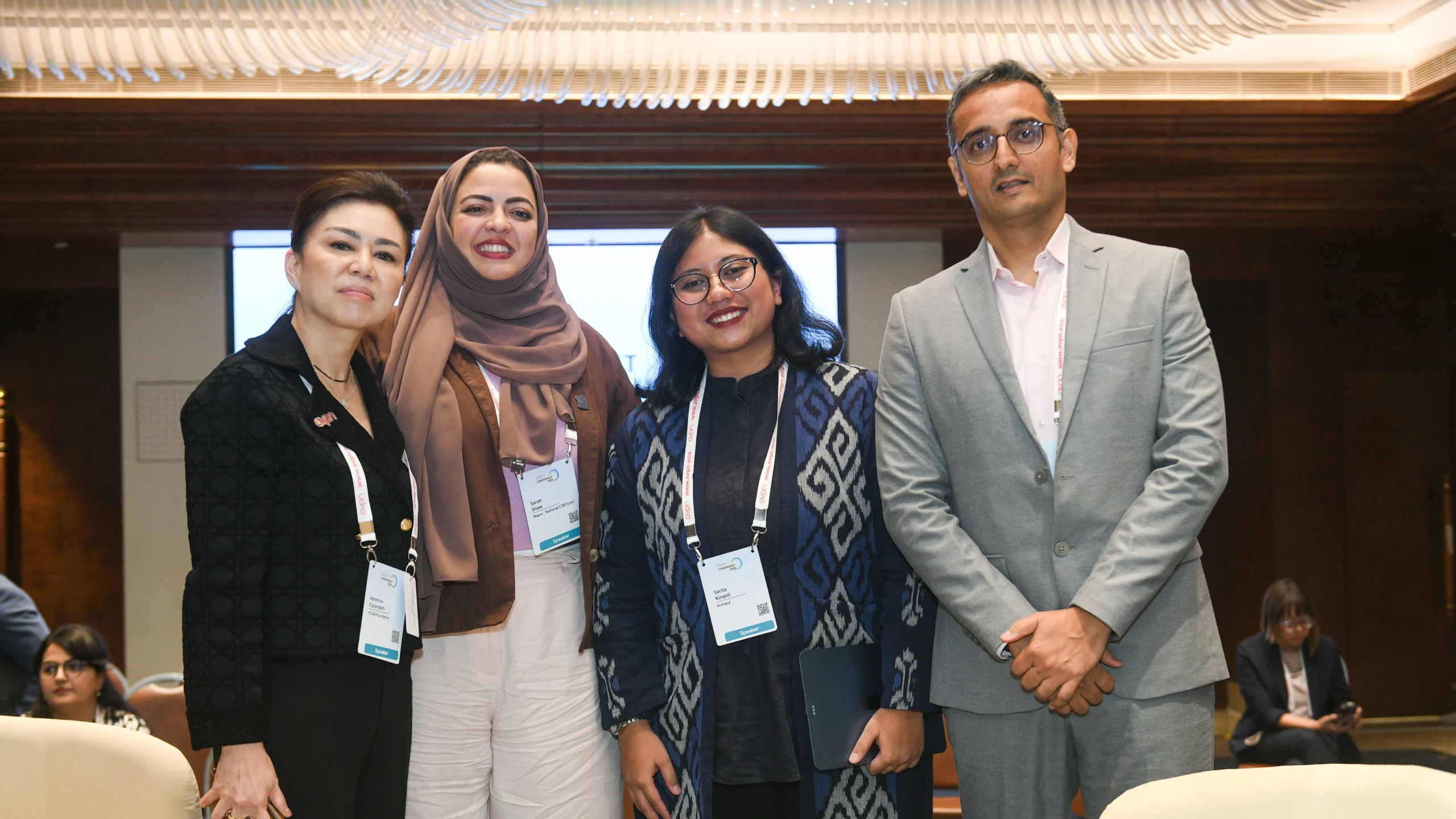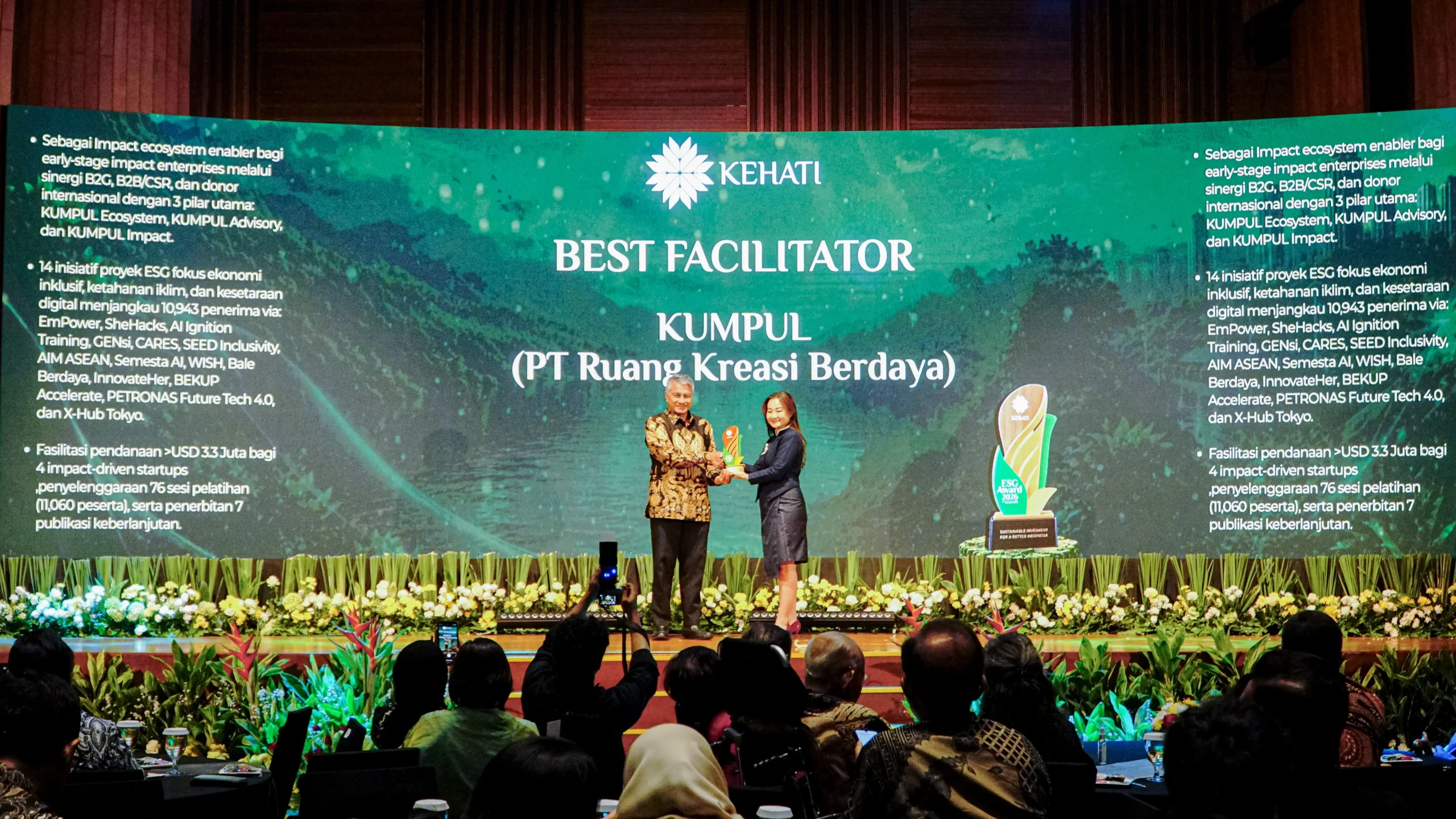


ATLAS – Accelerating Transformation and Linkage for Advancing Startups launched on 7 May 2025 in Tokyo ahead of SusHi Tech Tokyo 2025. During the event, founding members KUMPUL, Techsauce, InnoLab Asia, and TechShake formally introduced the alliance to the Asia Pacific entrepreneurial ecosystem. Each organization brings long-standing experience in supporting innovation and connecting entrepreneurs across Southeast Asia and beyond. The alliance strengthens regional linkages through shared programs, policy-relevant research, and strategic convenings that support founders working across multiple markets.
Why ATLAS Was Established
Southeast Asia continues to record steady digital and economic activity. Indonesia is projected to grow by 5.2% according to the World Bank and the IMF. Vietnam is expected to reach 6.6% growth, driven by manufacturing and innovation-led exports. The Philippines maintains a 6.0% projection, supported by services and increasing technology adoption. Thailand moves toward 2.9% through digital transformation and public–private collaboration.
While these trends indicate strong momentum, the nature of growth varies across countries. Differences in regulatory environments, consumer purchasing power, digital readiness, and ecosystem maturity create operational challenges for startups entering new markets. ATLAS – Accelerating Transformation and Linkage for Advancing Startups addresses these conditions by strengthening coordination among ecosystem enablers and supporting more accessible cross-border growth.
Why the ATLAS x ERIA Whitepaper Was Developed
As the region approaches 2026, ATLAS – Accelerating Transformation and Linkage for Advancing Startups released the ATLAS x ERIA whitepaper titled “Unlocking Southeast Asia’s Innovation: Bridging Borders for Startup Growth.” The publication reflects a collaborative effort between ATLAS and the Economic Research Institute for ASEAN and East Asia (ERIA). It reflects a shared mission to understand Southeast Asia’s innovation landscape better and identify the structural barriers to cross-border startup expansion.
ERIA contributes to regional policy research and supports ASEAN’s broader integration agenda. Combined with ATLAS’s insights from ecosystem builders and founders, the whitepaper integrates policy-level analysis with day-to-day realities. This structure offers a comprehensive view of challenges that influence how startups build, scale, and operate across multiple Southeast Asian markets.
What the Whitepaper Covers
The whitepaper examines the structural conditions that shape market access, regulatory readiness, and cross-border expansion. The research draws on surveys, focus group discussions, case studies, and secondary data from institutions such as the World Bank, the OECD, the ASEAN Secretariat, and others. Key findings include:
1. Operational frictions across markets
More than half of surveyed founders report facing licensing and permit differences when entering a new country. Requirements for local incorporation, resident directors, in-person verification, and lengthy administrative procedures create ongoing operational pressure.
2. Variation in market conditions and consumer affordability
Differences in GDP per capita, digital maturity, and economic structure influence pricing strategies, user acquisition, and long-term sustainability. Startups often redesign their models to align with affordability thresholds in their target markets.
3. Concentration of funding in one central hub
Funding data from H1 2025 shows that most regional investment flows into a single ecosystem hub, limiting capital availability in other markets where startup ecosystems are still developing.
4. Fragmented regulatory approaches to data and technology
Variations in data protection laws, data localization requirements, and cross-border transfer rules create uncertainty for technology companies, especially those operating in fintech, healthtech, and AI.
5. Increasing importance of regional policy frameworks
Ongoing negotiations, including the Digital Economy Framework Agreement (DEFA), indicate early steps toward more aligned digital trade. Effective implementation requires coordination between policy development and real-world business conditions.
These findings highlight the gap between regional aspirations and the practical realities encountered by startups operating in multiple markets. They also underline the need for ecosystem-wide collaboration involving policymakers, investors, founders, and innovation enablers.
Acknowledgements
Regional ecosystem players, legal experts, and supporting partners contributed to the development of the whitepaper. The research methodology integrates founder surveys across ASEAN, focus group discussions with ecosystem enablers, legal and regulatory reviews, comparative policy analysis, and case studies highlighting real cross-border challenges. This combination ensures that the findings capture both structural policy conditions and practical field experiences.
Organizations that provided facilities, tools, and technical expertise supported the development process. We extend appreciation to Gani.AI, GHP Law Firm, and the ATLAS co-founding members KUMPUL, InnoLab Asia, TechShake, and Techsauce for their contributions to the research and validation stages.
Readers who want to explore deeper analysis, market insights, and policy recommendations can access the full ATLAS x ERIA whitepaper by clicking here.
Grow Locally, Expand Globally with KUMPUL
As Indonesia’s leading entrepreneurship ecosystem enabler, KUMPUL accelerates growth by connecting entrepreneurs with strategic networks, exclusive resources, and expert insights.
We strengthen local communities while facilitating two-way global market access, helping international businesses tap into Indonesia’s dynamic ecosystem, and empowering local entrepreneurs to expand globally.
Through impactful collaborations with key industry players, KUMPUL enables entrepreneurs to scale efficiently, compete globally, and create meaningful impact.
Ready to be part of this journey? Complete this form and join KUMPUL in shaping the future of entrepreneurship!